



How Mouth Breathing Affects Your Sleep And Why Nose Breathing Might Change Everything

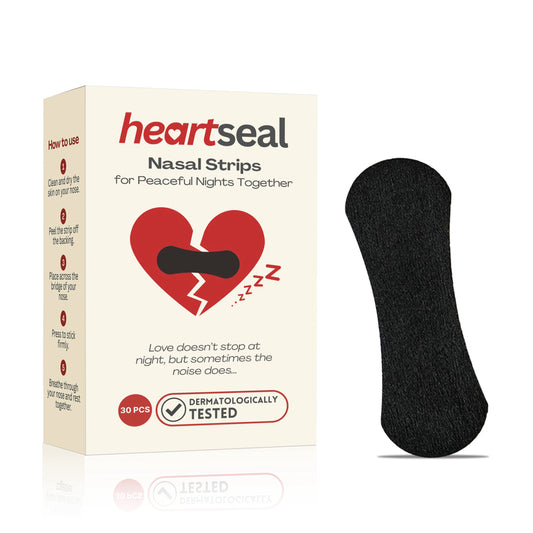
Millions of people struggle with poor sleep, snoring, and waking up exhausted even after a full night in bed. What surprises many is that one of the biggest causes is something simple: mouth breathing. More sleep specialists, clinicians, and wellness experts now highlight the impact of mouth posture during sleep. This has led many people to experiment with tools that encourage nasal breathing at night. One of the gentlest ways to do this is a dedicated sleep tape designed for the lips. Many brands exist, but HeartSeal has become a popular option because it focuses on comfort and skin friendliness rather than harsh adhesives. This guide explains the science behind nasal breathing, the risks of chronic mouth breathing, and how tools like HeartSeal can support better nighttime habits without forcing anything unnatural.
What Mouth Breathing Really Does To Your Airway
When you sleep with your mouth open, the airway becomes drier and more vulnerable to vibration. This is one of the most common causes of snoring, restless sleep, and morning dryness. Mouth breathing leads to lower humidity and faster dehydration of the tongue and throat. It can create more turbulence inside the airway, which increases vibration and noise. It can also allow the tongue to fall back farther, narrowing the space behind it. When this happens, your body must work harder to pull air in, which disrupts the depth and rhythm of your sleep.
Why Nose Breathing Supports More Restful Sleep
Breathing through the nose during sleep provides several natural advantages that the mouth simply cannot offer. The nose warms and humidifies air to protect the throat. It filters dust and allergens before they reach the airway. It helps produce nitric oxide, a molecule that supports circulation, airway openness, and oxygen delivery. When nasal breathing becomes your default pattern at night, you may notice quieter sleep, fewer interruptions, less dryness, and a calmer heartbeat. Many people describe nasal breathing as the difference between light, choppy rest and deep, restorative sleep.
Why Mouth Breathing Happens In The First Place
Most people do not intentionally sleep with their mouth open. It usually develops from habits or subtle airway issues such as:
- Nasal congestion from colds or allergies
- Narrow nasal passages
- Habitual mouth breathing during the day
- Poor tongue posture
- Being overtired and falling asleep with the jaw loose
- Sleeping position that causes the jaw to drop
- Sometimes people mouth breathe for structural reasons, but other times it is simply a learned pattern that can be retrained gently over time.
How Gentle Lip Support Encourages Better Breathing
To nudge the body toward nasal breathing, many people use soft sleep tape designed for the lips. These tapes are not meant to seal the mouth shut. Instead, they act as a light reminder that encourages the lips to stay together. A well designed sleep tape should be skin friendly, flexible, and easy to remove. HeartSeal is an example of a tape created specifically for this purpose. It is shaped to fit the lips comfortably and uses a gentle adhesive so it works without feeling harsh or restrictive. The goal is comfort first, not pressure. This allows people to transition naturally toward nasal breathing rather than being forced into it.
Benefits People Often Notice When Switching To Nasal Breathing
Many users who shift from mouth breathing to nasal breathing during sleep report noticeable changes. These benefits can include quieter snoring, fewer awakenings due to dryness, a fresher feeling in the morning, more stable energy levels, less throat irritation, and improved CPAP mask performance for those who already use CPAP therapy. These results happen because nasal breathing supports more consistent airflow and moisture balance. When the airway stays calmer, the body has an easier time staying in deeper sleep stages.
Is Lip Tape Safe For Everyone?
Lip tape is not suitable for every person. You should avoid using it or talk to a healthcare professional first if you have untreated sleep apnea, chronic nasal obstruction, severe nighttime asthma symptoms, heart or lung conditions affecting breathing, or recurring nausea or reflux. Children and infants should never use lip tape. Adults who can breathe clearly through their nose are typically the best candidates. If you ever experience discomfort, gasping, or panic, remove the tape immediately. Tools like HeartSeal are designed to be flexible and easy to peel off so you can remove them quickly if needed.
How To Try Lip Tape Safely And Comfortably
When you try lip tape, the process should be slow and comfortable. Choose a tape made specifically for sleep and designed for sensitive skin. HeartSeal, for example, was developed to sit softly on the lips without feeling tight or sticky. Start with a patch test on the cheek. If the adhesive feels comfortable, try wearing the tape for a few minutes while awake. Then try it during a short nap. Only move to full nights once you feel at ease. Always make sure your nose is clear before sleeping. If you are congested, use the tape only after addressing the congestion. Gentle experimentation helps your body adapt naturally.
What To Do If Lip Tape Does Not Feel Right
If lip tape does not feel good on your skin or you feel anxious using it, you can explore other options. Chin straps keep the jaw supported. Nasal strips or dilators help improve nasal airflow. Humidifiers add moisture to the air. Oral muscle exercises strengthen the tongue and may help reduce snoring. A professional evaluation can rule out hidden issues like allergies, reflux, or structural blockages. The goal is to find what works for your body without forcing a solution.
Final Thoughts
Nasal breathing is one of the simplest ways to support calmer and more restorative sleep. Mouth breathing disrupts moisture balance, increases snoring, and creates unnecessary stress on the airway. Lip tape is one of the gentlest tools that can help retrain nighttime breathing habits. Products like HeartSeal focus on comfort and skin friendliness so the process feels natural rather than aggressive. When used correctly, lip tape can support better sleep by guiding your body toward the breathing pattern it was meant to use. If you choose to try it, begin slowly, pay attention to your comfort, and use it as part of a broader approach to better sleep.