

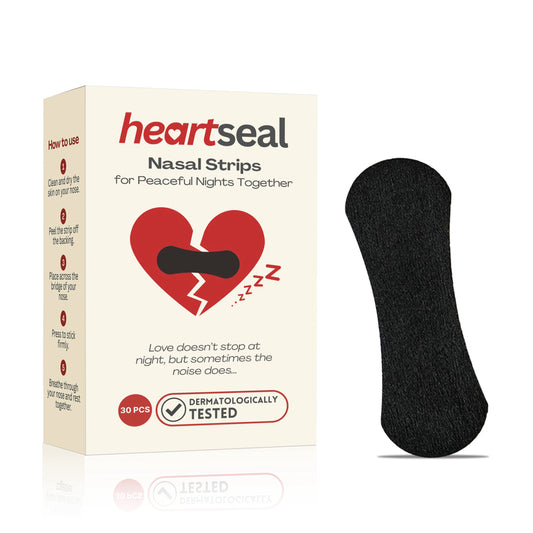


Are Nasal Strips Safe? Side Effects, Skin Irritation And Who Should Avoid Them

Nasal strips are a simple and popular way to support easier breathing during sleep. Many people use them to reduce snoring or ease nasal congestion.
Since they sit directly on the skin, it is natural to wonder whether nasal strips are safe and whether they cause any side effects.
This guide explains the most common nasal strip risks, how to reduce skin irritation, who should avoid them, and when to speak with a doctor. It also touches on considerations related to the Therapeutic Goods Administration (TGA) in Australia.
Are Nasal Strips Safe?
For most people, nasal strips are considered safe. They use gentle adhesive material to lift the outside of the nose. This helps open the nasal passages without medication or invasive action.
Nasal strips do not contain active drugs. They work mechanically by supporting the structure of the nose. As a result, most users experience no side effects.
However, like any adhesive product that sits on sensitive skin, a small number of people may experience irritation or reactions. Understanding these risks helps you use nasal strips safely and comfortably.
Common Side Effects Of Nasal Strips
Most side effects are mild and related to the adhesive touching the skin. The following are the most reported issues.
1. Skin Redness
Some users notice mild redness after removing a strip. This usually fades within a short time. Redness is often caused by natural sensitivity to adhesives or by removing the strip too quickly.
2. Skin Irritation
If a strip is worn overnight, the skin beneath it can become slightly irritated. This is more common for people with sensitive skin or eczema.
3. Adhesive Allergies
A small number of people may have an allergy to certain glues. Symptoms include itching, small rashes, or raised bumps where the strip was placed. Switching brands or using a gentle skin prep routine may help. If symptoms persist, stop using the product and speak with a healthcare professional.
4. Minor Discomfort While Removing
If the skin is oily, dry, or not cleansed before application, the strip may adhere more tightly. Removing it slowly with warm water helps reduce discomfort.
5. Difficulty Sticking To Oily Skin
This is not a health risk but can affect performance. Cleaning the area with a mild cleanser before use can improve adhesion.
How To Reduce Skin Irritation From Nasal Strips
If you want to use nasal strips without unpleasant reactions, these simple steps can help.
1. Cleanse Your Skin First
Washing your nose gently removes oil, sweat, and makeup. This allows the strip to stick properly without excessive tugging.
2. Dry Your Skin Completely
Moisture prevents proper adhesion and increases the chance of the strip peeling.
3. Remove The Strip Slowly
Use warm water to soften the adhesive. Start at the edges and peel toward the center to reduce irritation.
4. Take Breaks If Needed
If your skin becomes sensitive, take a night or two off to allow the skin to recover.
5. Test The Strip On A Small Patch
If you have a history of adhesive allergies, test the strip on the inner forearm before using it on your nose.
Who Should Avoid Nasal Strips?
Nasal strips are not suitable for everyone. You should avoid or be cautious with nasal strips if any of the following apply.
1. You Have Active Skin Conditions On The Nose
Eczema, broken skin, or severe acne may become irritated by adhesive.
2. You Have Known Adhesive Allergies
People with medical tape or bandage allergies may react to nasal strip adhesives.
3. You Have Very Fragile Skin
Some individuals experience tearing or bruising from adhesive products. If this happens, nasal strips may not be appropriate.
4. You Believe You May Have Sleep Apnoea
Nasal strips do not treat sleep apnoea. If you wake unrefreshed, experience pauses in breathing during sleep, or feel extremely tired during the day, you should seek medical assessment.
5. You Recently Had Nasal Surgery
Follow your surgeon’s advice before using any adhesive product on the nose after a procedure.
Nasal Strips And Snoring
Nasal strips can help reduce snoring when the cause is nasal congestion or narrow nasal passages. They support airflow and make breathing easier through the nose. However, they cannot address snoring caused by the throat or soft palate.
They also cannot prevent interruptions in breathing caused by sleep apnoea. If snoring is loud, nightly, or accompanied by choking or gasping, see a doctor for proper assessment.
Understanding TGA Considerations In Australia
In Australia, the Therapeutic Goods Administration oversees medical devices and therapeutic claims. Nasal strips are considered non invasive, non medicinal products that support airflow. They are not promoted as medical treatments and must not claim to diagnose, treat, or cure sleep apnoea or any respiratory condition.
Consumers should be aware that nasal strips are intended for comfort and airflow support, not for treatment of airway disorders. Any symptoms that suggest sleep apnoea require a clinical evaluation.
Are Nasal Strips Safe For Long Term Use?
Most people use nasal strips nightly without issues. As long as your skin tolerates the adhesive, long term use is generally safe. If you experience recurring irritation, take breaks, switch brands, or consult a healthcare professional for alternative options.
When To See A Doctor
You should speak with a doctor if:
-
You notice skin rashes or significant irritation
-
You suspect you may have sleep apnoea
-
Your snoring is loud, nightly, or worsening
-
You experience morning headaches or excessive fatigue
-
Someone notices that you stop breathing during sleep
These symptoms suggest an underlying issue that nasal strips cannot resolve.
Final Thoughts
Nasal strips are safe for most people and offer a simple way to support clearer breathing during sleep. Side effects are usually mild and limited to the skin. With proper use and gentle removal, discomfort is uncommon.
If you are using nasal strips for snoring and want a non invasive option, they can be a helpful part of your routine. Always remember that nasal strips are not a treatment for sleep apnoea. If symptoms point to something more serious, a doctor can provide the proper assessment and guidance.