



Do Nasal Strips Really Help With Snoring? What They Can and Cannot Do

Do Nasal Strips Really Help With Snoring? What They Can and Cannot Do
Snoring can make nights frustrating for you and anyone who sleeps nearby. Many people look for simple, non invasive options before trying complex devices or medical treatments. Nasal strips are one of the most common first steps. The question is simple.
Do nasal strips work for snoring, and if they do, who benefits the most?
This guide explains how nasal strips help, when they make a difference, and when it is time to speak with a doctor.
How Nasal Strips Work
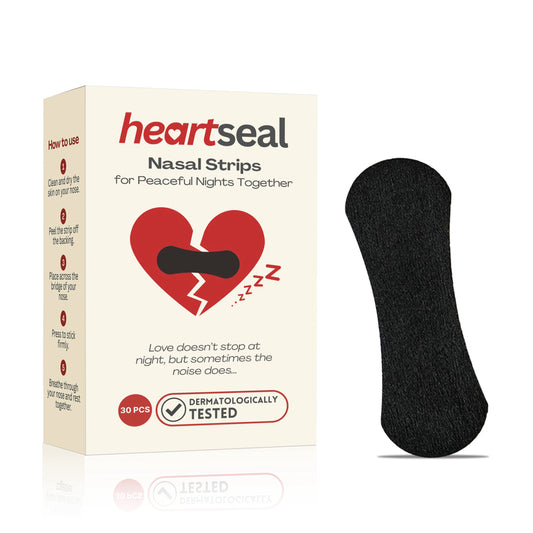
Nasal strips are small adhesive bands that sit across the outside of your nose. They gently lift and open the nasal passages. This reduces nasal resistance. When the nose feels clearer, airflow during sleep becomes smoother and calmer.
Many people snore because their nasal passages narrow during sleep. When the nose becomes congested or collapses inward during inhalation, airflow becomes noisy. By opening the nasal passages from the outside, nasal strips make it easier to breathe through the nose.
They do not contain medication. Instead, they rely on simple mechanical support.
When Nasal Strips Can Help With Snoring
Nasal strips can reduce snoring when the cause is mainly nasal. These situations include:
1.Night time nasal congestion
Cold symptoms, seasonal allergies, or sinus swelling can narrow the nose at night. Nasal strips may improve airflow and reduce noise.
2.Structural nasal narrowing
Some people naturally have narrow nasal passages. Others have mild deviations of the nasal septum. Nasal strips can help by lifting the sides of the nose to create more space.
3.Habitual mouth breathing caused by a blocked nose
When the nose is blocked, the mouth takes over. Mouth breathing often results in louder snoring. Opening the nose can make nose breathing easier and snoring quieter.
4.Snoring that worsens during exercise seasons
Many people notice more snoring during allergy seasons. Nasal strips can support clearer breathing without medication.
If your snoring is mainly caused by a blocked nose, you will often notice improvement on the first night.
When Nasal Strips Will Not Solve Snoring
Even though nasal strips are helpful in many cases, they cannot fix all snoring. They are not a treatment for deeper airway issues.
1. Snoring caused by the soft palate or throat
If your snoring is caused by tissue vibration at the back of the throat, nasal strips will not address the underlying cause.
2. Sleep apnoea
Nasal strips do not treat sleep apnoea. Sleep apnoea happens when the airway collapses during sleep and breathing stops for short periods. This requires proper medical assessment and guidance.
3. Snoring related to weight changes
Weight gain can narrow the airway at multiple levels. Nasal strips alone cannot correct this type of obstruction.
4. Snoring linked to alcohol use
Alcohol relaxes the muscles of the throat. Nasal strips cannot overcome this increased relaxation.
5. Snoring that worsens while sleeping on the back
This position brings the tongue and soft palate backward. Positional changes are more effective than nasal support in this situation.
If your nasal passages are already clear, nasal strips will not make a noticeable difference.
Do Nasal Strips Stop Snoring Completely?
Nasal strips rarely eliminate snoring entirely. Instead, they reduce the intensity or frequency of snoring when nasal resistance is the problem. Many couples notice that snoring becomes softer or less frequent.
Think of nasal strips as part of a snoring toolkit rather than a complete solution.
Other Snoring Remedies That Work Well With Nasal Strips
You can combine nasal strips with several evidence based habits for better results.
1. Side sleeping
Sleeping on your side reduces vibration in the throat.
2. Reducing alcohol intake before bed
This keeps throat muscles from relaxing too much.
3. Treating allergies or sinus issues
Saline rinses, allergy management, and a clean sleeping environment support clearer breathing.
4. Weight management
Even small changes can reduce pressure on the airway.
5. Maintaining regular sleep patterns
Better sleep quality reduces throat muscle collapse.
Nasal strips become more effective when used alongside these straightforward steps.
When To See a Doctor
You should speak with a doctor if:
- You snore loudly most nights
- You wake feeling unrefreshed or extremely tired
- Someone has noticed pauses in your breathing
- You have morning headaches or concentration problems
- Your snoring has suddenly worsened
- These symptoms may indicate sleep apnoea or another medical condition that requires proper assessment. Nasal strips are not intended to diagnose, treat, or cure sleep apnoea.
Final Thoughts
Nasal strips are a simple, gentle option for snoring that comes from nasal blockage. They open the nose, reduce resistance, and often make night breathing more comfortable. They are not a cure for snoring from the throat or sleep apnoea, but they are an excellent first step for many people.
If you want a non invasive way to test whether nasal airflow is the root cause of your snoring, nasal strips offer quick feedback with no medication and no discomfort.