



How Do Nasal Strips Work? Effectiveness, Benefits And When They Help

If you have ever stood in the pharmacy aisle looking at boxes of nasal strips and wondering if they work, you are not alone. They look simple and many people rely on them for snoring, blocked noses, and easier breathing. This guide explains how nasal strips work, how effective they are, and when they are most likely to help.
What Are Nasal Strips?
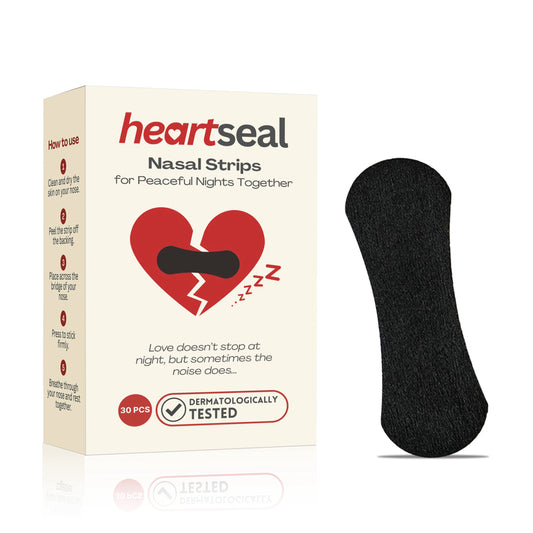
Nasal strips are flexible adhesive bands placed across the bridge of the nose. Inside each strip are spring like bands. When applied, these bands gently lift the sides of the nose to open the nasal passages. Nasal strips contain no medication. They rely entirely on mechanical support to improve airflow.
How Do Nasal Strips Actually Work?
Inside your nose is an area called the nasal valve. It is the narrowest part of the nasal passages. When tissues swell from congestion, allergies, or natural anatomy, this area becomes tight and restricts airflow. A nasal strip sticks to the skin on the outside of the nose. The tension in the strip tries to straighten. Since it is attached to your skin, it gently pulls the nostrils outward and upward. This widens the nasal valve area, reduces resistance, and allows air to pass more easily. Many people feel a clearer, smoother flow of air within minutes.
What Do Nasal Strips Feel Like?
Most users feel a soft lifting sensation across the nose. Breathing through the nose often becomes noticeably easier. The strip should feel secure but not painful. If it feels too tight or uncomfortable, repositioning or trying a different size usually helps.
How Effective Are Nasal Strips?
Nasal strips work best when snoring or discomfort comes from nasal obstruction. They are effective when you have congestion from colds or allergies, naturally narrow nasal passages, or nighttime mouth breathing caused by a blocked nose. In these cases, a nasal strip can reduce snoring volume, support smoother airflow, and improve comfort when lying down. Nasal strips are not as effective when snoring is caused by the throat or soft palate. They also do not help with airway collapse linked to sleep apnoea.
Nasal Strips For Snoring
Nasal strips can help snoring when nasal blockage is the main trigger. They reduce resistance inside the nose, which can make snoring softer or less frequent. They will not fix snoring caused by vibrations in the throat, tongue position, or airway collapse. If someone notices choking, gasping, or pauses in your breathing, this may indicate sleep apnoea, which requires medical assessment. Nasal strips are not a treatment for sleep apnoea.
Nasal Strips For Colds, Sinus And Allergies
During a cold or allergy flare up, the tissues inside the nose swell. Airflow becomes restricted. Nasal strips do not cure the underlying inflammation, but they can make breathing feel easier by opening the nasal valve area. Many people use them at night to reduce the feeling of blockage and mouth breathing. They combine well with remedies such as saline rinses or appropriate medications.
Nasal Strips And Exercise Or Sport
Some athletes and runners use nasal strips to support easier nasal breathing during training. The benefit is often subjective. While nasal strips may not guarantee performance gains, many people appreciate the feeling of clearer airflow during exertion.
Choosing The Best Nasal Strips
When selecting nasal strips, consider size, fit, and adhesive strength. Different nose shapes require different strip widths. A good strip stays securely in place overnight yet removes without irritation. People with sensitive skin may prefer strips formulated with gentler adhesives. If irritation occurs, take breaks or try another brand.
Are Nasal Strips Safe?
Nasal strips are safe for most people when used correctly. Side effects are generally mild. These can include temporary redness, slight irritation, or discomfort during removal. Applying strips to clean, dry skin and removing them slowly with warm water minimizes irritation. Avoid using strips on irritated or broken skin. If you experience a rash or persistent discomfort, discontinue use and consult a healthcare professional.
When To See A Doctor
Seek medical advice if your snoring is loud, persistent, or worsening. If someone notices pauses in your breathing, gasping, or choking at night, see a doctor promptly. These symptoms may indicate sleep apnoea, which requires proper evaluation. Nasal strips can support airflow through the nose but cannot treat deeper airway problems.
Putting It All Together
Nasal strips work by gently lifting the sides of the nose to widen the nasal passages. This reduces resistance and supports easier breathing. They are simple, drug free, and helpful when snoring or discomfort is related to nasal obstruction. They are not a cure for snoring caused by the throat and they do not treat sleep apnoea. When used with realistic expectations and proper technique, nasal strips can be a useful part of your nightly routine.