

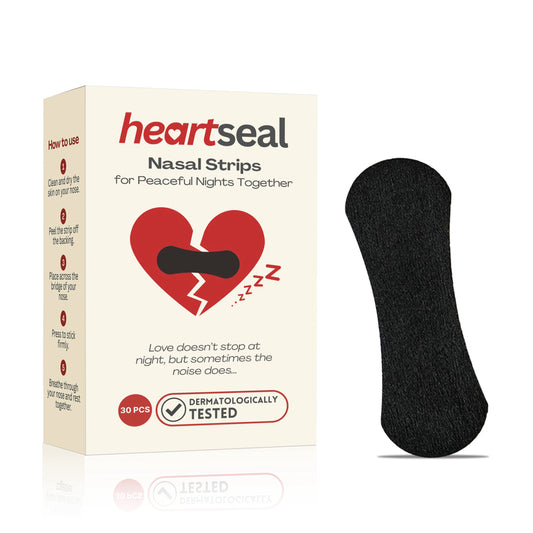


Mouth Tape: What It Is, How It Works, And Whether You Should Try It

If you have spent any time in sleep, wellness, or biohacking circles, you have probably heard of mouth tape. People on TikTok and Reddit speak about it as a simple trick for deeper sleep, less snoring, and waking up with a fresher mouth. But what actually is mouth tape, does it work, and is it safe for you? This guide walks through everything you need to know about mouth tape for sleep, so you can make an informed choice instead of just following a trend.
What Is Mouth Tape?
Mouth tape is a special adhesive strip designed to gently keep your lips closed while you sleep. The goal is not to completely seal your mouth. Instead, it encourages you to breathe through your nose rather than your mouth. Unlike regular tape, purpose made mouth tape for sleep usually has hypoallergenic medical grade adhesive, a shape that fits comfortably over the lips, a small vent or mesh section so you can still breathe if needed, and easy removal that does not tear skin or facial hair as badly as normal tape. People use mouth tape to reduce mouth breathing at night, which is often linked with snoring, dry mouth and morning sore throat, bad morning breath, CPAP mask leaks, and fragmented sleep.
How Mouth Tape Works
Mouth breathing vs nasal breathing
When you breathe through your mouth during sleep, your airway tends to be drier, less filtered, and less humidified. Nasal breathing naturally warms and humidifies air, filters dust and particles, and helps produce nitric oxide which supports blood flow and airway function. Mouth tape sits across your lips and nudges your body toward nasal breathing. If your nose is clear and your airway is healthy, this can reduce the vibration of tissues in the throat that cause snoring, prevent your tongue from dropping too far back, and help keep the airway a bit more stable.
What mouth tape does not do
It is important to be realistic. Mouth tape does not cure sleep apnea, replace CPAP for people who need it, fix structural issues in the nose or jaw, or treat medical conditions like severe allergies or asthma. Think of it as a support tool that may help some people sleep better when used correctly and safely, not a miracle cure.
Potential Benefits Of Mouth Tape
1. Less snoring
By promoting nasal breathing, many users notice softer snoring, shorter snoring episodes, and sometimes a major reduction in snoring altogether. If the main cause of your snoring is simple mouth breathing, mouth tape can help a lot.
2. Reduced dry mouth and morning sore throat
Mouth breathing dries the tongue and throat. Overnight this can lead to waking up multiple times to sip water, a burning or scratchy throat, and cracked lips. Switching to nasal breathing with mouth tape can keep moisture in your mouth and throat so you wake up feeling less parched.
3. Fewer CPAP leaks from the mouth
For people with sleep apnea who already use CPAP, mouth breathing can cause pressurized air to escape through the lips. This leads to noisy leaks, lower effective pressure, and reduced treatment benefit. Many CPAP users experiment with CPAP mouth tape or purpose designed sleep strips to help keep the mouth closed. If you use CPAP, always discuss mouth taping with your clinician first.
4. Possibly deeper, more restful sleep
Nasal breathing is associated with more stable oxygen levels, less throat irritation, and fewer awakenings from dry mouth or snoring. When those issues improve, sleep can feel deeper and more refreshing even if you still get the same number of hours.
Risks And Who Should Not Use Mouth Tape
Mouth tape is not for everyone. In some situations it can be uncomfortable or even unsafe. You should not try mouth tape without speaking to a professional if you have diagnosed or suspected obstructive sleep apnea, serious nasal obstruction such as a severe deviated septum or chronic congestion, severe allergies or frequent nighttime asthma symptoms, heart or lung disease affecting breathing, nausea or reflux that increases risk of vomiting in sleep, or if you are a child or teenager without professional assessment. Stop using mouth tape and seek medical advice if you ever wake up gasping or choking, feel like you cannot breathe through your nose, experience chest pain or severe shortness of breath at night, or notice that your snoring gets worse. Mouth tape should never be used on babies or young children.
How To Use Mouth Tape Safely: Step By Step
If you are an adult with no major breathing issues and have discussed it with a professional, here is how to test mouth tape safely.
Step 1: Choose the right type
Look for mouth tape specifically designed for sleep. Choose hypoallergenic, latex free, easy to remove strips that are large enough to stay in place but not oversized. Avoid hardware or office tape such as duct tape because they can damage skin and make removal difficult.
Step 2: Patch test
Before sleeping with it, cut a small piece, place it on your cheek for 10 to 15 minutes, then remove it gently. If your skin becomes red or irritated, switch brands or avoid taping.
Step 3: Practice while awake
Sit upright, place the tape according to instructions, breathe through your nose for a few minutes, and practice opening your mouth quickly if you need to talk or cough. You should feel confident you can remove it easily.
Step 4: Test during a nap
Try mouth tape during a short nap of twenty to sixty minutes. Make sure someone is home if possible. Stop if you feel blocked, anxious, or short of breath.
Step 5: Move to a full night
When using it at night, sleep safely on your side or back, avoid heavy alcohol or sedatives, and keep scissors nearby if it reassures you. If you wake up sweaty, gasping, or with a racing heart, remove the tape and speak with a clinician.
Mouth Tape vs Alternatives
Mouth tape is one option among several solutions for nighttime mouth breathing. Chin straps help keep the jaw closed and are popular with CPAP users who dislike adhesive. Nasal strips and nasal dilators widen the nasal passages and can be used with or without mouth tape. Humidifiers add moisture to the air and ease nasal or throat dryness. Mouth and tongue exercises prescribed by a professional can strengthen the airway and reduce snoring. Addressing underlying causes such as allergies, structural nasal issues, weight gain, or reflux often provides long term improvement. Mouth tape alone will not fix these issues.
Frequently Asked Questions About Mouth Tape
Is mouth tape safe?
For many healthy adults with clear nasal breathing, dedicated mouth tape can be reasonably safe when used correctly. It is not suitable for everyone. If you have breathing or heart conditions, suspected sleep apnea, or major nasal blockage, talk to a professional first.
Does mouth tape stop snoring?
It can reduce snoring caused by mouth breathing, but it will not stop snoring caused by sleep apnea or deeper anatomical issues.
Can you use mouth tape with a beard?
Some brands work better on facial hair, but beards make adhesion harder. Many people prefer longer vertical strips or products with flexible adhesive.
Can I use normal tape?
Regular tape is too sticky, irritating, and hard to remove quickly. Purpose made mouth tape is safer for facial skin.
Final Thoughts
Mouth tape has become popular for good reason. For some people it can reduce snoring, ease dryness, support nasal breathing, and improve CPAP effectiveness. At the same time, it is not risk free and not a universal fix. Treat it as one possible tool within a broader sleep and breathing strategy. If you decide to try it, talk to a professional, choose gentle tape made for sleep, and start slowly while listening to your body.